Pink Pineapple: The Sweet New Paradigm of Taste - Internet's Juicy Take
8|0 comments
Pink Pineapples: A Sweet Glimpse into the Future of Food?
Okay, folks, buckle up because we're about to dive into something truly delightful—the pink pineapple! Yes, you heard that right. Pink. Pineapple. It’s not just a quirky food trend; it’s a fascinating peek into the future of how we might be eating (and Instagramming) our fruits.
I saw that Benny Blanco, the music producer, was one of the first to try it, and his reaction was pretty much what you'd expect: pure, unadulterated excitement. "It smells and looks like a normal pineapple, but inside it’s pink," he said, describing the taste as "incredible.” Frankly, that sums it up perfectly. The Pink Pineapple: Nature’s Sweetest Trend Taking Over the Internet — and Benny Blanco Approves
But let's dig a little deeper, shall we? What *is* this rosy marvel? Essentially, it's a genetically modified pineapple where scientists have tweaked its DNA to keep it beautifully pink. See, regular pineapples convert lycopene (the stuff that makes tomatoes red) into beta-carotene, which gives them that familiar yellow hue. The pink pineapple? They’ve turned off that conversion, letting the lycopene shine—or, well, *pink*—through.
GMOs Get a Glow-Up: The Science of Beautiful Food
The Science of Sweetness Now, I know what some of you are thinking: "Genetically modified? Is it safe?" The answer is a resounding yes! The modification simply preserves a natural pigment already found in tons of healthy foods. No new, scary chemicals added. Just science making something already good, well, even *better* and definitely more photogenic.Pineapple: Guilt-Free Goodness for Body and Soul
Health Benefits and Beyond And speaking of good, let's talk about the health benefits. We're talking Vitamin C for immunity, antioxidants like lycopene that *might* help reduce the risk of cancer and heart disease, and bromelain for digestion. It's a guilt-free treat that's as good for your body as it is for your Instagram feed.Pink Pineapples and a Palette of Possibilities
Innovation and Ethical Considerations But here’s where it gets really interesting. The pink pineapple isn’t just about aesthetics or health; it's a symbol of how we can use science to enhance our food, to make it more appealing, more nutritious, and, let’s face it, more fun. It takes over two years to cultivate each one of these pineapples, they're grown in select tropical farms under super controlled conditions, and shipped without their crowns to keep them exclusive. It reminds me a little of when the first commercially viable tomatoes were developed—suddenly, a previously rare food became accessible to the masses. What other fruits and vegetables could benefit from this kind of innovation? Could we see blue strawberries or purple oranges in the future? It’s a tantalizing thought. Of course, with great power comes great responsibility. As we tinker with the genetic makeup of our food, we need to be mindful of the ethical considerations. We need to ensure that these modifications are safe, sustainable, and accessible to everyone, not just a privileged few.Pink Pineapples: The Instagrammable Fruit Revolution?
The Pink Pineapple's Viral Appeal The pink pineapple’s viral appeal is undeniable. Its pastel color and overall charm make it a favorite among influencers, food bloggers and just about anyone looking for the next Instagram-worthy snack. From celebrity shoutouts to TikTok taste tests, this fruit has quickly become a pop culture icon. It makes you wonder, what's next?Pink Pineapples: A Delicious Taste of the Future
A Taste of Tomorrow The pink pineapple is more than just a fleeting trend. It's a tangible example of how science and innovation can transform our food, making it healthier, more appealing, and more sustainable. It's a glimpse into a future where our plates are filled with vibrant, nutrient-rich foods that are as good for the planet as they are for our bodies. And honestly, that's a future I can't wait to taste.

-
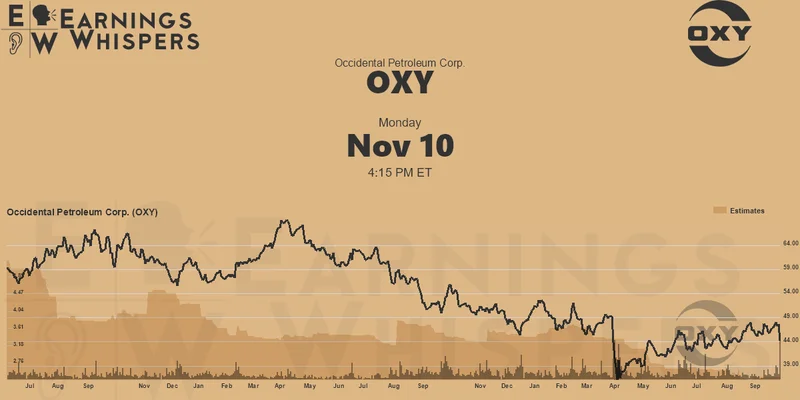
Warren Buffett's OXY Stock Play: The Latest Drama, Buffett's Angle, and Why You Shouldn't Believe the Hype
Solet'sgetthisstraight.Occide...
-

The Great Up-Leveling: What's Happening Now and How We Step Up
Haveyoueverfeltlikeyou'redri...
-

The Future of Auto Parts: How to Find Any Part Instantly and What Comes Next
Walkintoany`autoparts`store—a...
-

Applied Digital (APLD) Stock: Analyzing the Surge, Analyst Targets, and Its Real Valuation
AppliedDigital'sParabolicRise:...
-
Analyzing Robinhood: What the New Gold Card Means for its 2025 Stock Price
Robinhood's$123BillionBet:IsT...
- Search
- Recently Published
-
- DeFi's 2025: Unveiling Post-Crash Investor Breakthroughs - Mind-Blown Reactions
- Fake Stability: The Truth About Crypto Market Analysis (r/Crypto)
- S&P 500 Faces AI 'Air Pocket' in 2026: What the Data Really Says for Future Returns
- DeFi Token Performance Post-October Crash: Unlocking the Next Era of Innovation and Growth for Investors
- Why DeFi's 2025 Rebound Redefines Everything. - Reddit's Take
- Pink Pineapple: The Sweet New Paradigm of Taste - Internet's Juicy Take
- Why India's Rupee Low Isn't Just 'Sentiment' - Redditors Anxious
- Fintech 2025: What 'Innovation,' 'Security,' and 'User Experience' Actually Mean
- S&P 500 & Dow Rise, Nasdaq Snaps 7-Month Win Streak: Navigating the Rocky Close and Charting Our Next Breakthrough
- Crypto Market Analysis: Who's Really Managing Risk? - Crypto Debate Ignites
- Tag list
-
- Blockchain (11)
- Decentralization (5)
- Smart Contracts (4)
- Cryptocurrency (26)
- DeFi (5)
- Bitcoin (31)
- Trump (5)
- Ethereum (8)
- Pudgy Penguins (6)
- NFT (5)
- Solana (5)
- cryptocurrency (6)
- bitcoin (7)
- Plasma (5)
- Zcash (12)
- Aster (10)
- nbis stock (5)
- iren stock (5)
- crypto (7)
- ZKsync (5)
- irs stimulus checks 2025 (6)
- pi (6)
- hims stock (4)
- kimberly clark (5)
- uae (5)