S&P 500 Faces AI 'Air Pocket' in 2026: What the Data Really Says for Future Returns
7|0 comments
BofA's AI 'Air Pocket': A Calculated Dose of Reality or Just Another Forecast?
Bank of America's 2026 S&P 500 forecast is making waves, largely because it's a bit of a downer compared to the generally bullish sentiment. While the market is currently riding high on AI hype, BofA is suggesting we might hit an "AI air pocket" – a slowdown before a potential boom, or perhaps just a period of readjustment.
BofA's Dissent: A Lone Bear in a Bull Market?
The Bullish Chorus vs. BofA's Solo Most major banks are singing the same optimistic tune, predicting solid S&P 500 gains through 2026. BofA, however, is the lone wolf, forecasting single-digit upside. Now, anyone who's spent time in the market knows that forecasts are, at best, educated guesses. But the *discrepancy* between BofA's prediction and the rest of the pack raises an eyebrow. Are they seeing something the others aren't, or are they simply being contrarian for the sake of it? BofA's reasoning boils down to two main points: dwindling market liquidity and the aforementioned "AI air pocket." Liquidity, they argue, has peaked. Fewer buybacks, increased capital expenditure (capex), and fewer interest rate cuts are all cited as potential drags. The "AI air pocket" is a more nuanced argument. It acknowledges the positive aspects – reasonable equity sentiment, earnings growth that supports valuations, and a lack of excessive IPOs. However, it also points to the risks – hyperscalers shifting to asset-heavy models and a surge in AI debt issuance without clear monetization strategies. This leads BofA to suggest that "de-rating may be warranted in the months ahead," setting a year-end S&P 500 price target of 7,100. A risky call, sure, especially considering the market's recent performance. The S&P 500 has delivered impressive returns in recent years, exceeding 15% annually in five of the last six years.AI Debt: Is the Hype Outpacing Reality?
The AI Debt Conundrum The "AI air pocket" argument is particularly interesting. The idea that a mountain of AI debt is being issued without a solid plan for turning that investment into profit is a valid concern. It's like a tech company in the late 90s – lots of excitement, but not always a clear path to revenue. The shift of hyperscalers (think Amazon, Microsoft, Google) to asset-heavy models is also noteworthy. These companies are pouring billions into infrastructure to support AI development. Is this a smart long-term investment, or are they overextending themselves? And this is the part of the report that I find genuinely puzzling. The report mentions "a mountain of AI debt issuance," but doesn't quantify it. How big is this mountain, exactly? What are the terms of this debt? Which companies are issuing it? Details on this debt remain scarce, but the impact is clear. Without these specifics, it's hard to gauge the true risk. It’s like saying there’s a storm coming without specifying the wind speed or the size of the waves. BofA's forecast can be viewed as a calculated dose of reality. It's a reminder that markets don't always go up, and that even the most hyped technologies can face headwinds. Whether it proves accurate remains to be seen. But it's a valuable counterpoint to the prevailing optimism. BofA's 2026 S&P 500 Forecast Says Beware an AI 'Air Pocket' in Stocks A Reality Check on AI Euphoria BofA's not necessarily *wrong*, but they're definitely early. The market's irrational exuberance will likely continue until the data *unambiguously* shows a slowdown. Until then, expect the AI hype train to keep rolling, fueled by investor FOMO and a healthy dose of wishful thinking.
-
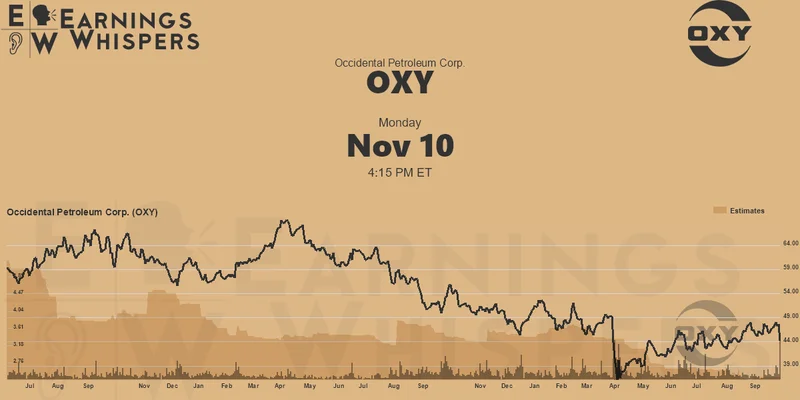
Warren Buffett's OXY Stock Play: The Latest Drama, Buffett's Angle, and Why You Shouldn't Believe the Hype
Solet'sgetthisstraight.Occide...
-

The Great Up-Leveling: What's Happening Now and How We Step Up
Haveyoueverfeltlikeyou'redri...
-

The Future of Auto Parts: How to Find Any Part Instantly and What Comes Next
Walkintoany`autoparts`store—a...
-

Applied Digital (APLD) Stock: Analyzing the Surge, Analyst Targets, and Its Real Valuation
AppliedDigital'sParabolicRise:...
-

Analyzing Robinhood: What the New Gold Card Means for its 2025 Stock Price
Robinhood's$123BillionBet:IsT...
- Search
- Recently Published
-
- DeFi's 2025: Unveiling Post-Crash Investor Breakthroughs - Mind-Blown Reactions
- Fake Stability: The Truth About Crypto Market Analysis (r/Crypto)
- S&P 500 Faces AI 'Air Pocket' in 2026: What the Data Really Says for Future Returns
- DeFi Token Performance Post-October Crash: Unlocking the Next Era of Innovation and Growth for Investors
- Why DeFi's 2025 Rebound Redefines Everything. - Reddit's Take
- Pink Pineapple: The Sweet New Paradigm of Taste - Internet's Juicy Take
- Why India's Rupee Low Isn't Just 'Sentiment' - Redditors Anxious
- Fintech 2025: What 'Innovation,' 'Security,' and 'User Experience' Actually Mean
- S&P 500 & Dow Rise, Nasdaq Snaps 7-Month Win Streak: Navigating the Rocky Close and Charting Our Next Breakthrough
- Crypto Market Analysis: Who's Really Managing Risk? - Crypto Debate Ignites
- Tag list
-
- Blockchain (11)
- Decentralization (5)
- Smart Contracts (4)
- Cryptocurrency (26)
- DeFi (5)
- Bitcoin (31)
- Trump (5)
- Ethereum (8)
- Pudgy Penguins (6)
- NFT (5)
- Solana (5)
- cryptocurrency (6)
- bitcoin (7)
- Plasma (5)
- Zcash (12)
- Aster (10)
- nbis stock (5)
- iren stock (5)
- crypto (7)
- ZKsync (5)
- irs stimulus checks 2025 (6)
- pi (6)
- hims stock (4)
- kimberly clark (5)
- uae (5)